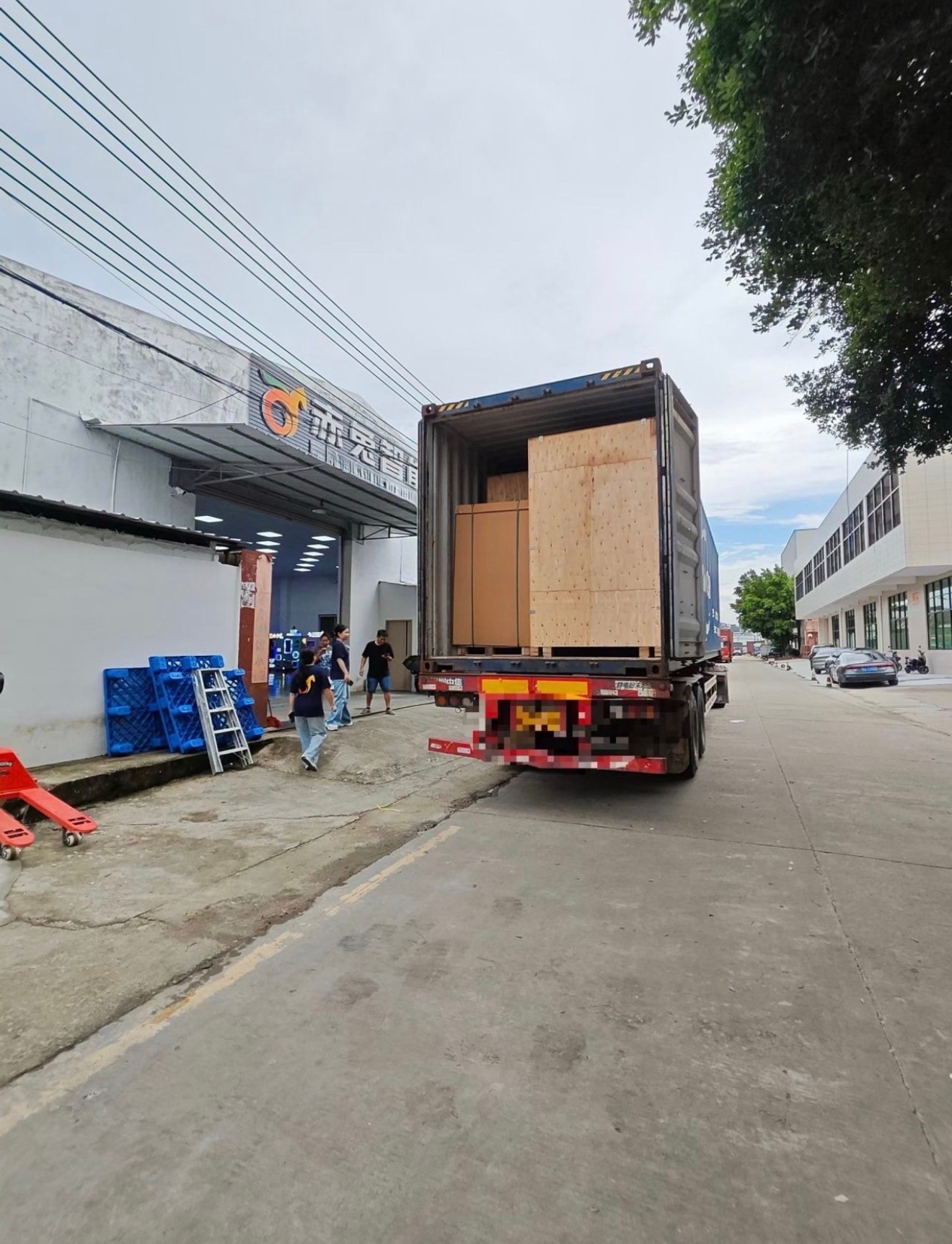
Shipping From China to the UK: September 2026 Freight Update
China-to-UK container rates have eased slightly, but costs remain elevated and September sailings still face congestion and capacity disruption. Here is what UK importers should consider before booking.
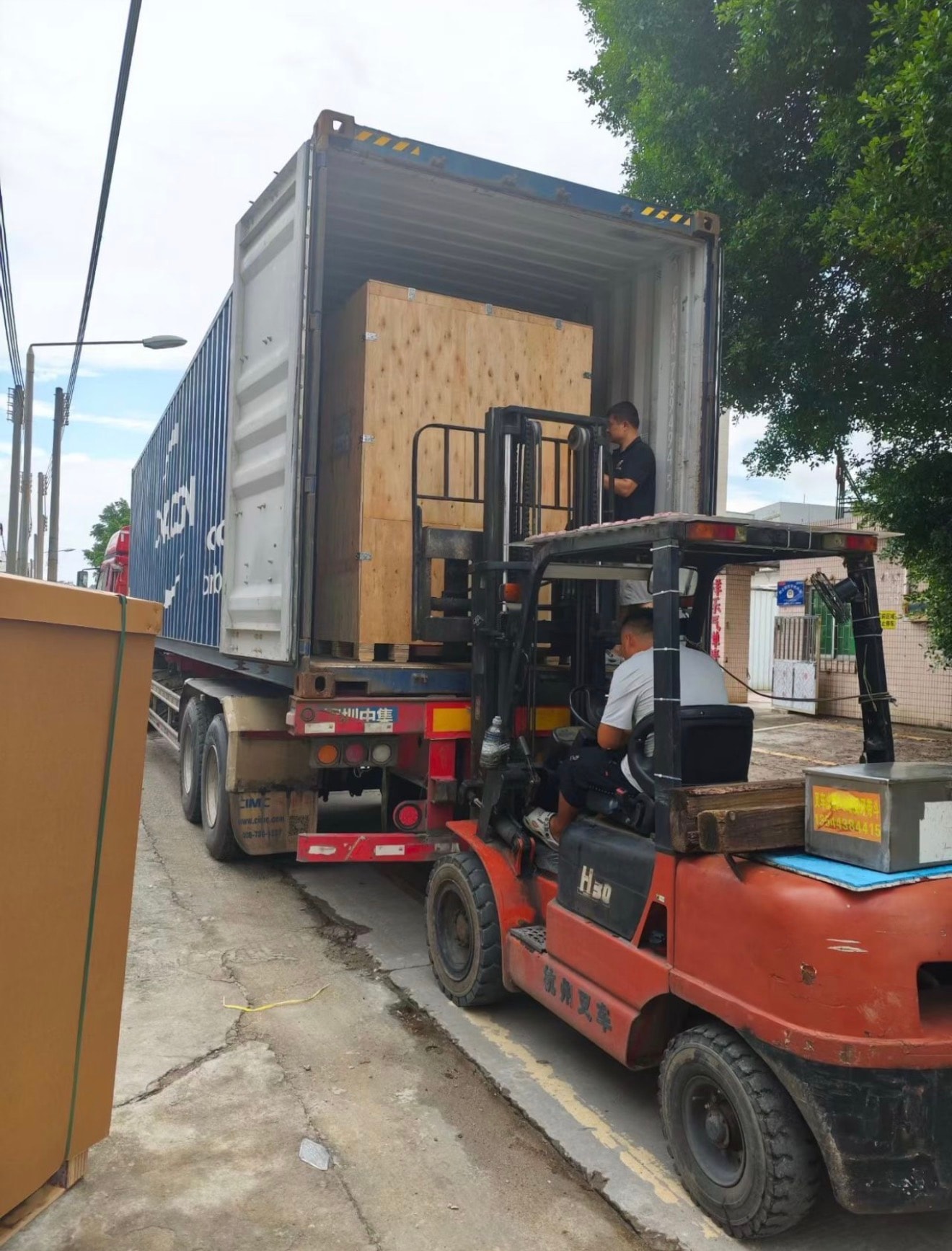
Container shipping rates from China to Northern Europe eased slightly at the end of August, but UK importers should not assume that the pressure has disappeared.
Rates remain substantially higher than they were a year ago, shipping lines are still cancelling selected sailings and congestion at Shanghai has increased. For UK companies with production finishing during September, the practical message is to plan freight earlier and leave some tolerance in delivery dates.
I have worked with Chinese manufacturers since 1999, and one lesson that comes up repeatedly is that freight cannot be treated as a separate job that only begins when production is finished. Manufacturing schedules, quality inspections, export packing, vessel availability, customs documentation and UK delivery all have to connect.
What Has Happened to Container Freight Rates?
Drewry’s World Container Index decreased by 1% to $4,473 per 40ft container on 27 August 2026.
On the Asia-to-Europe trade, its Shanghai-to-Rotterdam benchmark fell by 3% during the week to $4,287 per 40ft container. Shanghai-to-Genoa decreased by 2% to $4,866.
A small weekly reduction is welcome, but it needs to be kept in perspective. Drewry reported on 28 August that its global index was still 111% higher than at the same point in 2025.
The Shanghai-to-Rotterdam figure is also a market benchmark, not the total price of shipping a container from a particular Chinese factory into a UK warehouse.
A complete China-to-UK freight quotation can include:
-
Collection from the Chinese factory
-
China export and handling charges
-
Ocean freight
-
Documentation charges
-
Insurance, where arranged
-
UK terminal and handling charges
-
Customs-clearance costs
-
Import duty and VAT where applicable
-
Haulage from the port
-
Delivery into the customer’s UK warehouse
This is why businesses should compare complete quotations on the same basis rather than choosing a forwarder from one headline ocean-freight figure.
Sauce Asia explains these individual cost elements in its guide to the cost of importing from China to the UK.
Blank Sailings Remain a Risk During September
A blank sailing is a scheduled sailing that the shipping line cancels or removes from its timetable. Depending on the circumstances, cargo may be moved to another vessel or rolled into a later sailing.
Drewry’s cancelled-sailings tracker, published on 28 August, identified 45 blank sailings across the main East–West routes between week 36 and week 40—31 August to 4 October 2026.
That represents a 6% cancellation rate across the services monitored. Drewry said 28% of the announced cancellations affected the Asia-to-Northern Europe and Mediterranean trades.
Most scheduled vessels are therefore still expected to operate, but the cancellations are significant enough to affect individual importers. If the intended vessel is removed, the fact that 94% of other sailings operate will be little comfort if the goods miss an important customer date.
Shipping lines use blank sailings for several reasons, including balancing capacity, responding to demand and recovering disrupted schedules. For an importer, the potential consequences include:
-
A later departure from China
-
Cargo being rolled to another vessel
-
A missed transhipment connection
-
Longer storage at the factory or port
-
Greater pressure on delivery deadlines
-
Changes to the final UK arrival date
A sailing schedule should therefore be treated as the current plan—not an absolute guarantee.
Shanghai Congestion Has Increased
Drewry reported that average vessel waiting time at Shanghai increased from 35 hours to 96 hours during the previous week.
Maersk’s Asia-Pacific market update of 14 August also placed Shanghai in its category of ports experiencing vessel waiting times of more than three days. Ningbo, Yantian and Shekou were in its one-to-three-day category at the time of publication.
Port conditions can change quickly, and not every shipment from China uses Shanghai. Southern China cargo may move through ports including Yantian, Shekou or Nansha, depending on the factory location, shipping line and service.
Nevertheless, delays at a major gateway such as Shanghai can affect vessel rotations beyond a single port. When vessels arrive late, the disruption can continue through subsequent port calls and sailings.
Seasonal weather is another factor. Maersk noted in August that typhoon activity can cause temporary port restrictions, timetable changes and delays across parts of Asia.
Should UK Importers Wait for Freight Rates to Fall?
Not automatically.
A reduction of 2% or 3% in a market index does not necessarily mean that delaying a finished order will reduce its total delivered cost. By the time storage, production schedules, stock shortages and missed customer dates are considered, waiting can prove more expensive than accepting the available freight rate.
The right decision depends on:
-
When the goods will actually be ready
-
Whether the order is FCL or LCL
-
The Chinese collection location
-
The required UK delivery date
-
Available stock in the UK
-
The cost of a delayed delivery
-
The validity period of the freight quotation
-
Whether the proposed service is direct or transhipped
-
Current vessel space and equipment availability
For time-sensitive orders, obtaining a current quotation and provisional shipping plan before production finishes is usually more useful than trying to predict the bottom of the freight market.
Practical Steps for September Shipments
1. Obtain a current shipment-specific quotation
Rates can change, and published indexes do not include every charge involved in delivering goods to a UK destination.
Provide the factory collection address, product description, carton or pallet quantities, dimensions, gross weight, total cubic metres and the UK delivery postcode.
2. Confirm when the goods will genuinely be ready
Factories sometimes provide an optimistic completion date. Before making a non-refundable freight commitment, establish whether production, testing, inspection, packing and export documentation can all be completed before the cargo cut-off.
3. Coordinate inspection with the shipping plan
A pre-shipment inspection should take place when enough of the order is complete to give a meaningful result, but early enough to allow defects to be corrected.
Do not release unsuitable goods simply to catch a vessel. Problems found in China are normally easier to resolve than defects discovered after the shipment reaches the UK.
Sauce Asia’s quality-control and manufacturing services include factory visits, production monitoring and pre-shipment inspections.
4. Allow contingency in the delivery date
Port congestion, bad weather, blank sailings and transhipment changes can all affect transit. Avoid making customer promises based solely on the earliest estimated arrival date.
5. Check the customs information before departure
Accurate product descriptions, commodity codes, values and origin information help the customs-clearance process. Import duty depends on the goods and their classification, while import VAT and product-specific requirements may also apply.
Commodity codes and duty rates should be checked against the current UK Trade Tariff or confirmed with the appropriate customs specialist.
6. Plan the final UK delivery
The shipment does not finish when the container reaches a UK port. Clearance, terminal release, container availability, haulage and warehouse booking requirements all need coordination.
Sauce Asia can arrange shipping from China to the UK, including factory collection, FCL or LCL freight, customs-clearance coordination and onward delivery into a UK warehouse.
Managing the Complete Journey From Factory to Warehouse
Freight works best when it is managed as part of the wider manufacturing process.
Sauce Asia has worked with Chinese manufacturers and UK customers for more than 25 years. Our China-based team can support supplier search and verification, sampling, production management, factory visits and quality inspections before the logistics stage begins.
Once goods are approved, we can coordinate collection, consolidation where appropriate, international freight, UK customs clearance and delivery into the customer’s warehouse.
This end-to-end approach — from managing sourcing and manufacturing in China through to UK warehouse delivery — means customers have one point of contact rather than coordinating factories, inspectors and freight companies separately.
Customers who already have their own Chinese supplier can also use Sauce Asia purely for freight and associated logistics. They do not have to use us for sourcing or manufacturing.
Frequently Asked Questions
Are China-to-UK container rates falling?
Some Asia-to-Europe benchmark rates fell slightly in the week ending 27 August 2026. However, Drewry’s global container index remained 111% higher than a year earlier. The actual cost for a UK importer depends on the origin, destination, shipment size, service and additional charges.
What is a blank sailing?
A blank sailing is a scheduled vessel departure or service that the carrier cancels. Cargo may have to move on a later vessel, which can delay arrival.
Does a Shanghai-to-Rotterdam rate show the cost of delivery to the UK?
No. It is a market benchmark for a particular port-to-port trade. It does not represent a complete quotation covering Chinese collection, local charges, UK customs clearance, duty, VAT or warehouse delivery.
How early should I arrange shipping from China?
Start discussing the shipment before production is completed, particularly when delivery dates are important. The booking still needs to be coordinated with production completion, final inspection, packing and documentation.
Can Sauce Asia ship goods from a supplier we found ourselves?
Yes. Sauce Asia provides a standalone China-to-UK freight service for companies that already have their own supplier, as well as a complete sourcing, manufacturing, QC and logistics service.
Need a Current China-to-UK Freight Quotation?
If your goods are in production, nearly complete or ready for collection, send Sauce Asia the Chinese collection address, packing details, shipment volume or dimensions, gross weight, product description and UK delivery postcode.
We can review the available freight options and help coordinate the shipment through customs clearance and onward delivery into your UK warehouse.
Request a China-to-UK Shipping Quote
Sources
- Drewry World Container Index, 27 August 2026
- Drewry Cancelled Sailings Tracker, 28 August 2026
- Maersk Asia Pacific Market Update, 14 August 2026
Colin Moore has worked with Chinese manufacturers since 1999 and leads Sauce Asia’s client relationships and sourcing strategy. Sauce Asia supports UK businesses with supplier sourcing, manufacturing, factory audits, production management, quality inspections, freight, customs-clearance coordination and delivery into UK warehouses.