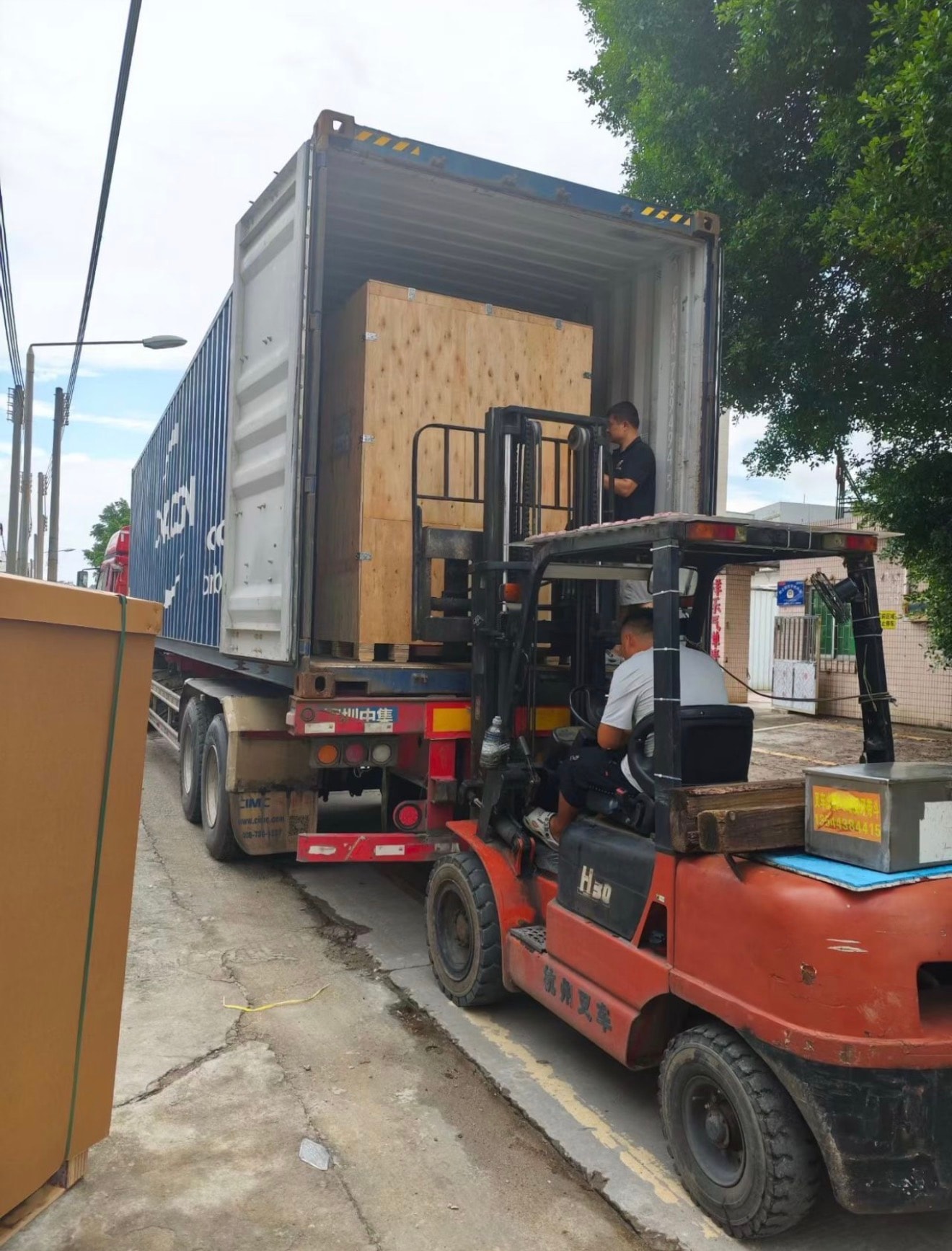
China-to-UK Shipping via Suez: What the 2026 Route Return Means for Importers
Four more Gemini shipping services are returning to the Suez Canal, creating the prospect of shorter China-to-Europe transit times. However, blank sailings, port congestion and Red Sea security still make shipment-specific planning essential.
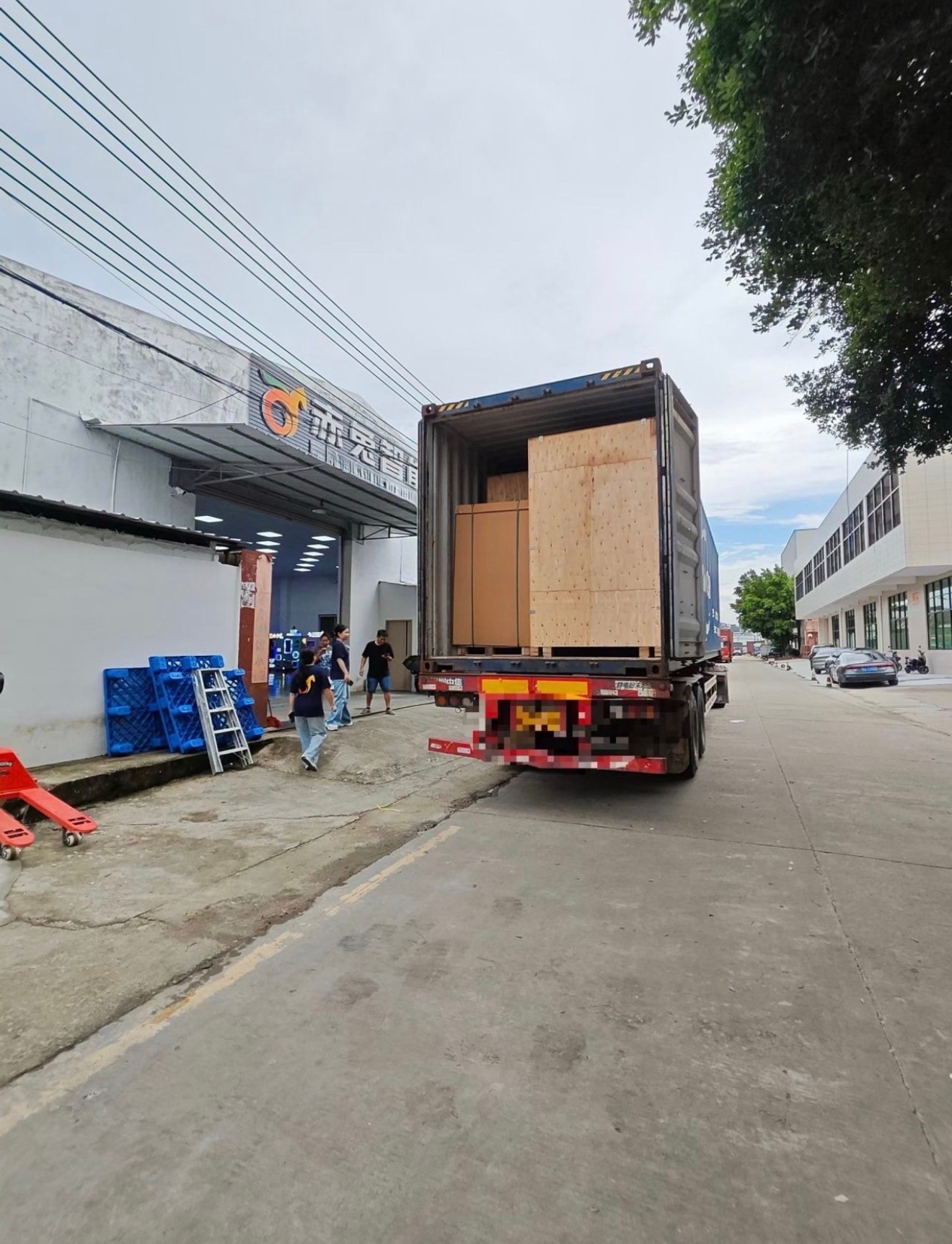
Four more major Asia-to-Europe container services are returning to the Suez Canal rather than sailing around the Cape of Good Hope.
For UK businesses importing from China, this is a potentially important development. A shorter route can reduce voyage time, vessel operating costs and the amount of shipping capacity tied up on each journey.
However, it does not mean that every China-to-UK shipment will immediately become faster or cheaper.
The route used by an individual container still depends on the carrier, service, port of loading, European connection and final destination. Blank sailings, port congestion and security conditions in the Red Sea also continue to affect schedules.
I have worked with Chinese manufacturers since 1999. My advice is to treat this as an encouraging change, but not as a reason to make delivery promises based on a general shipping headline.
Importers need to check the actual service offered for their cargo and coordinate it with production, quality inspection, customs documentation and final delivery into the UK warehouse.
What Has Changed?
On 14 September 2026, Maersk announced structural changes to four Gemini Cooperation services:
- AE5
- AE11
- AE12
- ME2
These services will use the Suez Canal rather than the longer route around the Cape of Good Hope.
They join the AE15 and AE19 services, which were already operating through Suez.
Maersk said the changes would provide more efficient transit times and improved connectivity. It also made clear that the decision depends on continued stability in the region and the absence of further escalation.
That qualification matters.
The security position is still being monitored. Carriers may change routes again if they believe crews, vessels or cargo are at unacceptable risk.
Why the Suez Route Matters to UK Importers
The Suez Canal provides a much shorter route between Asia and Northern Europe than sailing around southern Africa.
When vessels divert around the Cape of Good Hope, they spend longer at sea. This can lead to:
- Longer estimated transit times
- More fuel consumption
- Higher vessel-operating costs
- More ships being needed to maintain weekly services
- Greater difficulty recovering disrupted schedules
- Increased exposure to delays at intermediate ports
- Later delivery into UK warehouses
A wider return to Suez could gradually release shipping capacity and place downward pressure on some freight rates.
It could also improve transit times on affected services. However, the benefit for an individual UK importer cannot be calculated from the route announcement alone.
A container may travel directly to a UK port, connect through a European hub or use a transhipment service. Factory location, Chinese port, carrier schedule, cargo cut-off and feeder connection can all affect the final delivery time.
UK importers should therefore obtain the proposed itinerary for their shipment rather than relying on a general China-to-Europe transit-time estimate.
Which China-to-UK Shipments Will Benefit?
Not every shipment will use one of the services covered by the announcement.
The route depends on factors including:
- The Chinese port of loading
- The carrier and service selected
- Whether the shipment is FCL or LCL
- Direct or transhipment routing
- The UK destination
- Available vessel space and equipment
- The date on which the cargo is genuinely ready
- Golden Week and other factory closures
- Current carrier schedule changes
Cargo from different areas of China may use ports such as Shanghai, Ningbo, Yantian, Shekou, Nansha or Qingdao.
The most suitable route should be based on the factory location, cargo details, required delivery date and total delivered cost—not simply the lowest advertised ocean-freight figure.
Ask the logistics provider to identify:
- The shipping line
- Service name
- Vessel and voyage
- Port of loading
- Intended route
- Transhipment port, if applicable
- Estimated departure and arrival dates
- Documentation and cargo cut-offs
- Alternative plan if the sailing is cancelled or the cargo is rolled
Are China-to-Europe Freight Rates Falling?
Drewry's World Container Index increased by 1% to $4,500 per 40ft container on 17 September 2026.
However, its Shanghai-to-Rotterdam benchmark fell by 9% during the week to $3,626 per 40ft container. The Shanghai-to-Genoa benchmark fell by 5% to $4,016.
Drewry said Asia-to-Europe rates were under downward pressure from weak demand and the gradual return of services to the Suez route.
These figures indicate the general direction of part of the container market. They are not complete quotations for collecting goods from a Chinese factory and delivering them into a UK warehouse.
A complete China-to-UK shipping quotation may include:
- Collection from the Chinese factory
- Export haulage
- China handling and documentation charges
- Ocean freight
- Fuel, security and carrier surcharges
- Cargo insurance where arranged
- UK port and terminal charges
- Customs-clearance costs
- Import duty and VAT where applicable
- UK container or pallet haulage
- Delivery into the customer's warehouse
Shipment size, weight, origin, destination and commodity can all alter the price.
UK companies should compare complete quotations on the same basis. A low port-to-port freight figure may exclude charges that appear later.
For further background, read Sauce Asia's September 2026 China-to-UK freight update.
Will Freight Rates Continue to Fall?
They may, but importers should not assume that they will.
A shorter route can reduce the amount of shipping capacity absorbed by longer voyages. If demand is also weak, that can put pressure on freight rates.
Carriers can respond by reducing capacity or cancelling sailings. Security conditions may also slow or reverse the return to the Red Sea and Suez route.
The cost of delaying a finished order should be considered alongside any possible freight saving.
That cost might include:
- Running out of stock
- Missing an agreed customer date
- Storage charges in China
- Delayed UK sales
- Disrupted installation work
- Seasonal products arriving too late
- Production being held while the factory awaits collection
It is generally more useful to obtain a current shipment-specific quotation than to delay an important order while trying to predict the lowest point of the freight market.
Blank Sailings Have Not Disappeared
The return to Suez does not mean that every scheduled vessel will operate.
Drewry's cancelled-sailings tracker published on 18 September identified 77 blank sailings across the principal East–West trades between 21 September and 25 October 2026.
These represented 11% of the 720 scheduled sailings monitored, meaning that 89% were expected to operate.
Drewry reported that 31% of the announced cancellations affected Asia-to-Northern Europe and Mediterranean routes.
A blank sailing is a scheduled voyage that the carrier cancels or removes from its timetable. Cargo may be moved to another vessel, transferred to a different service or left waiting for a later departure.
Even when most services operate, the consequences can be significant for the importer whose intended sailing is cancelled.
Possible effects include:
- A later departure from China
- Cargo being rolled to another vessel
- Missed transhipment connections
- Longer storage at the factory or port
- Revised arrival dates
- Difficulty obtaining UK haulage appointments
- Missed customer or warehouse deadlines
Treat the estimated sailing and arrival dates as the current plan rather than an absolute guarantee.
Port Congestion Can Offset Some of the Time Saving
Drewry reported that average vessel waiting time at Shanghai increased from 65 hours in week 36 to 78 hours in week 37.
A shorter route at sea does not necessarily produce an earlier warehouse delivery if the vessel loses time waiting outside ports or if cargo misses a connecting service.
During a major network change, carriers may also need to reposition vessels, containers and schedules. This can temporarily cause vessel bunching or irregular arrival patterns at ports.
For UK importers, the relevant date is not simply when the vessel is scheduled to arrive.
Final delivery also depends on:
- Vessel berthing
- Container discharge
- Customs clearance
- Terminal release
- Documentation
- Haulage availability
- Container collection slots
- Warehouse booking requirements
A shipment should be managed through to delivery rather than considered complete when the vessel reaches the UK.
What UK Importers Should Check Before Booking
1. Confirm whether the service uses Suez or the Cape route
Ask for the proposed carrier, service and routing in writing.
Do not assume that every Asia-to-Europe service has returned to Suez. Some services may continue around the Cape of Good Hope, and routings may change.
2. Check whether the service is direct or transhipped
A shorter main voyage may still involve a connection through another port.
Ask where the transhipment will take place, how frequently the connecting service operates and whether the quoted transit time includes the connection.
3. Obtain a complete, current quotation
Provide accurate information including:
- Chinese collection address
- Product description
- Number of cartons, pallets or crates
- Dimensions
- Gross weight
- Total volume
- Container requirement
- Preferred shipment date
- UK delivery postcode
- Warehouse restrictions
Check the quotation's validity period and what is excluded.
Sauce Asia provides shipping from China to the UK, including factory collection, FCL and LCL freight, customs-clearance coordination and delivery into UK warehouses.
4. Confirm when the goods will genuinely be ready
A freight plan is only useful if it matches the real production position.
Confirm whether:
- All materials have arrived
- Manufacturing is complete
- Testing has been carried out
- Packaging is ready
- Final quantities are known
- The goods have passed inspection
- Corrective work is required
- Export documents can be completed before the cut-off
Do not approve defective goods simply to catch an earlier vessel.
Sauce Asia's China manufacturing support can include production coordination, factory visits and quality inspections before goods are released for shipment.
5. Coordinate inspection with the cargo cut-off
A pre-shipment inspection needs to take place early enough to allow defects to be corrected and, where necessary, reinspected.
If the inspection is left until the day before collection, the buyer may face an unnecessary choice between shipping unsuitable goods and missing the vessel.
Production, inspection and freight should be managed as connected stages.
6. Prepare customs and compliance information before departure
Accurate customs information should be ready before the shipment leaves China.
This may include:
- Commercial product description
- Commodity code
- Quantity and value
- Country of origin
- Incoterm
- Commercial invoice
- Packing list
- Bill of lading instructions
- Product-specific licences or compliance documents where required
The appropriate commodity code, duty rate and product requirements depend on the goods.
These should be checked against the current UK Trade Tariff and applicable product legislation or confirmed with an appropriate specialist.
7. Review cargo-insurance arrangements
Confirm who is responsible for insurance under the agreed Incoterm and what the policy covers.
The fact that a vessel is using Suez does not, by itself, explain the insurance position for a particular shipment. Cover, exclusions and any war-risk provisions need to be checked against the actual policy.
8. Plan the final UK delivery
Give the logistics provider the correct UK delivery address and any relevant restrictions.
These may include:
- Warehouse opening hours
- Booking-in requirements
- Vehicle-size restrictions
- Tail-lift requirements
- Forklift availability
- Container unloading time
- Pallet specifications
- Site-access instructions
- Demurrage or detention risks
Planning the final delivery before the vessel arrives can prevent avoidable delay and cost.
Managing Production and Logistics as One Process
The route used by the vessel is important, but it is only one part of the supply chain.
If the factory finishes late, the inspection date moves. If an inspection identifies defects, collection may need to be postponed. If the goods miss the cargo cut-off, the container may move to a later vessel. If that sailing is cancelled, the UK delivery date moves again.
Sauce Asia has worked with Chinese manufacturers since 1999 and has a permanent team in China.
Depending on the customer's requirements, our end-to-end service can include:
- Searching for suitable Chinese manufacturers
- Supplier verification and factory assessment
- Negotiation and sampling
- Production management
- Factory visits
- In-process and pre-shipment quality inspections
- Factory collection
- Multi-supplier consolidation
- Sea or air freight
- Customs-clearance coordination
- Delivery into the customer's UK warehouse
Customers who have already found their own Chinese supplier can also use Sauce Asia for inspection, freight and associated logistics.
Read more about our UK China sourcing-partner service.
Frequently Asked Questions
Have all China-to-Europe shipping services returned to the Suez Canal?
No. Maersk announced that four more Gemini services—AE5, AE11, AE12 and ME2—would use Suez, joining AE15 and AE19. Other services may use different routings. Confirm the actual route for the proposed booking.
Will the return to Suez make China-to-UK shipping cheaper?
It may place downward pressure on some freight rates because the route is shorter. However, the final cost depends on demand, capacity, blank sailings, security, origin, destination and local charges. A lower market index does not guarantee a lower delivered quotation for every shipment.
How much faster is shipping through Suez?
There is no universal time saving that applies to every shipment. Transit depends on the Chinese port, UK destination, carrier, service, intermediate port calls and whether transhipment is involved. Obtain the itinerary and current estimated transit time for the specific booking.
Could carriers return to the Cape of Good Hope route?
Yes. Maersk said the changes depend on continued regional stability and the absence of further escalation. Safety conditions could cause carriers to change routes again.
Is the Shanghai-to-Rotterdam benchmark the cost of shipping to a UK warehouse?
No. It is a market benchmark for a particular port-to-port trade. It does not include every cost associated with Chinese collection, UK customs clearance, duty, VAT, terminal handling and warehouse delivery.
Can Sauce Asia ship goods from a supplier we found ourselves?
Yes. Customers can use Sauce Asia for freight, inspection, customs-clearance coordination and UK delivery even if they found and appointed the Chinese supplier independently.
Do You Need a Current China-to-UK Shipping Plan?
If your goods are in production, nearly finished or ready for collection, send Sauce Asia the factory address, product details, packing dimensions, gross weight, total volume and UK delivery postcode.
We can help check the production and inspection position, review the available freight options and coordinate the shipment through customs clearance and delivery into your UK warehouse.
Request a China-to-UK Shipping Quote
Sources
- Maersk — Structural Changes to AE5, AE11, AE12 and ME2 Gemini Services, 14 September 2026
- Reuters — Maersk and Hapag-Lloyd Resume Further Services Through Suez Canal, 14 September 2026
- Drewry World Container Index, 17 September 2026
- Drewry Cancelled Sailings Tracker, 18 September 2026
Colin Moore has worked with Chinese manufacturers since 1999 and leads Sauce Asia's client relationships and sourcing strategy. Sauce Asia supports UK businesses with supplier sourcing, manufacturing, factory audits, production management, quality inspections, freight, customs-clearance coordination and delivery into UK warehouses.