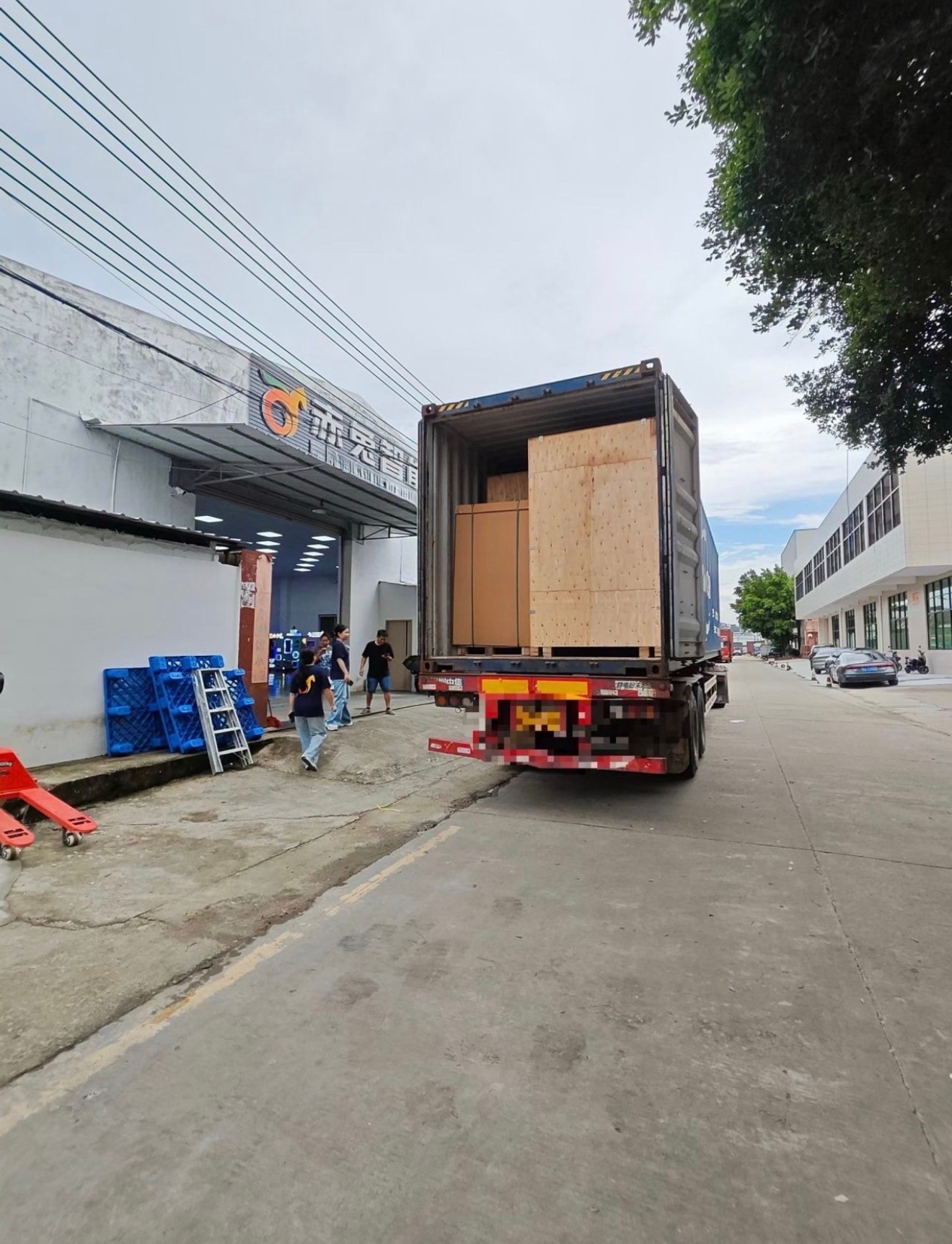
New China-to-UK Arctic Shipping Route: Faster Freight or Too Early for Importers?
A new seasonal Arctic service links Ningbo and Felixstowe in around 20 days. Learn the potential benefits and risks for UK importers.

China has begun a scheduled seasonal container service between Ningbo-Zhoushan and Felixstowe using the Northern Sea Route through the Arctic.
The operator is promoting a port-to-port journey of approximately 20 days—considerably faster than many conventional China-to-Europe services through the Suez Canal or around the Cape of Good Hope.
However, UK importers should not treat it as a simple replacement for established sea-freight services. The route currently has a short operating season, limited capacity and additional considerations involving weather, insurance, cargo acceptance, schedule reliability and sanctions compliance.
The development is commercially interesting, particularly for time-sensitive cargo, but it needs to be assessed as part of the complete supply chain from the Chinese factory to the customer's UK warehouse.
What Is the New China–Europe Arctic Express?
On 15 August 2026, the container vessel Dubai Tower departed Ningbo-Zhoushan Port, marking the start of the China-Europe Arctic Express's scheduled 2026 seasonal operation.
The route travels north through the Bering Strait and along Russia's Arctic coastline before reaching northern Europe. Felixstowe is its first principal European destination, followed by connections or calls covering other European ports.
Chinese official reporting says at least eight voyages are planned during the 2026 navigation season. The first vessel was scheduled to reach Felixstowe in early September.
This follows a trial voyage in 2025 that reportedly completed the Ningbo-to-Felixstowe journey in approximately 20 days.
The service represents a significant change from occasional experimental Arctic voyages because it is being offered to a published seasonal schedule.
How Long Could Ningbo-to-Felixstowe Shipping Take?
The advertised port-to-port transit time is approximately 20 to 21 days.
Chinese official reports compare this with around 40 days through the Suez Canal and up to 50 days when vessels are routed around the Cape of Good Hope.
These comparisons should be treated as indicative rather than guaranteed delivery times. They do not necessarily include:
- Collection from the Chinese factory
- Transport to the Chinese port
- Cargo consolidation
- Time waiting for the vessel cut-off
- Port handling and loading
- UK customs clearance
- Port release
- Final delivery into the customer's warehouse
A 20-day ocean crossing does not automatically mean the goods will reach the customer 20 days after leaving the factory.
Importers should request a complete estimated schedule covering factory collection through to final UK delivery.
Why Is the Arctic Route Faster?
The Northern Sea Route creates a much shorter geographical connection between northeast Asia and northern Europe.
It avoids several major sections of conventional routing, including the Strait of Malacca, Indian Ocean, Red Sea and Suez Canal. It also avoids the considerably longer diversion around southern Africa used when Red Sea security conditions prevent normal Suez transits.
A shorter voyage can potentially provide:
- Faster port-to-port transit
- Lower fuel consumption
- Reduced exposure to congestion on southern routes
- An additional option during periods of Red Sea disruption
- Quicker replenishment of time-sensitive stock
These are potential advantages rather than guaranteed outcomes. The route introduces a different set of operational risks.
Is This Now a Normal China-to-UK Shipping Service?
Not yet.
The China-Europe Arctic Express is a scheduled service, but it remains small compared with the main Asia–Europe container networks.
The first 2026 vessel has a capacity of approximately 1,740 TEU. Large vessels used on established Asia–Europe routes can carry many times that volume.
The Arctic service is also restricted to the summer and early-autumn navigation window. Chinese reports currently describe an operating period running principally from July to October, depending on sea-ice and weather conditions.
Mainstream China-to-UK services offer:
- Year-round sailings
- A much larger choice of carriers
- Greater overall capacity
- More established port networks
- Longer operating histories
- Better-developed contingency arrangements
The Arctic service should therefore be viewed as a specialist seasonal alternative, not as a wholesale replacement for conventional shipping.
What Are the Main Risks for UK Importers?
Ice and weather
Arctic navigation is affected by changing sea-ice, visibility, storms and extreme weather. Conditions can alter sailing speed or require changes to the planned route.
Limited operating season
The service is not currently available throughout the year. A delayed production order could miss the Arctic navigation window altogether.
Limited alternative capacity
If a conventional Asia–Europe sailing is cancelled, several other services or carriers may be available. Options could be more limited if an Arctic vessel is delayed or withdrawn.
Insurance and liability
Importers should confirm that appropriate cargo insurance covers the proposed routing, cargo type and complete journey. They should not assume ordinary cover automatically treats an Arctic voyage in the same way as a conventional route.
Cargo acceptance
The first voyage reportedly carried products including batteries, photovoltaic equipment and energy-storage products. These can involve specialist dangerous-goods, packing and documentation requirements.
The fact that a carrier accepts one type of cargo does not mean that every shipment in the same general category will be accepted.
Environmental considerations
Arctic shipping remains controversial because of the potential effect of emissions, noise and accidents on a particularly sensitive environment. Some major international carriers have chosen not to use Arctic routes.
UK businesses with sustainability commitments should examine the complete environmental evidence rather than rely solely on claims based on the shorter sailing distance.
Sanctions and due diligence
The Northern Sea Route runs along Russia's Arctic coastline and operates within a complex geopolitical and regulatory environment.
Using the route is not automatically prohibited merely because it passes through Russian Arctic waters. However, UK businesses, freight providers, insurers and financial institutions must still comply with applicable UK sanctions.
Appropriate checks may include the vessel, owner, operator, insurer, banks, counterparties, cargo and any organisations providing services connected with the voyage.
The UK Government advises freight and shipping businesses to undertake proportionate due diligence where Russian sanctions risks may arise.
Could the Arctic Route Reduce Freight Costs?
A shorter journey does not necessarily produce a cheaper final quotation.
Costs may be affected by:
- Specialist or ice-class vessel requirements
- Insurance
- Northern Sea Route permissions and services
- Limited available capacity
- Cargo handling
- Dangerous-goods requirements
- The Chinese collection location
- UK destination charges
- Customs clearance
- Final warehouse delivery
Importers should compare the complete quotation rather than the basic ocean-freight charge.
A conventional service costing slightly more at sea may still provide better value if it offers stronger schedule reliability, greater flexibility or lower associated charges.
Read our guide to the complete cost of importing from China to the UK.
Six Questions to Ask Before Using the Route
1. Is the sailing confirmed?
Obtain the vessel name, departure date, cargo cut-off, estimated arrival and current booking status.
2. Will production finish before the cut-off?
Inspection, corrective work, packing and export documentation must be completed before the goods can be released for collection.
3. Is the cargo accepted?
Provide an accurate description, dimensions, weight, material information and any battery or dangerous-goods documentation.
4. What insurance applies?
Confirm the geographical routing, insured risks, exclusions and claims procedure in writing.
5. Have sanctions checks been completed?
Ensure the relevant vessel, operator, insurer, banks and other counterparties have been properly assessed.
6. What happens after Felixstowe?
The quotation and schedule should cover UK customs clearance, port release, haulage and delivery into the final warehouse—not merely arrival of the vessel.
How Does This Compare With the Current Freight Market?
The wider container market remains unsettled.
Drewry reported on 3 September 2026 that its World Container Index remained broadly stable at US$4,465 per 40-foot container. The global composite figure should not be mistaken for a quotation for an individual China-to-UK shipment.
Rates, space and reliability can differ according to the Chinese port, UK destination, carrier, cargo, equipment type and intended sailing.
New routing options are useful, but UK businesses still need current shipment-specific quotations and realistic delivery planning.
Learn more about shipping from China to the UK, customs clearance and warehouse delivery.
How Sauce Asia Can Help
Sauce Asia helps connect the manufacturing and logistics stages of importing from China.
Depending on the project, support can include:
- Coordinating with the Chinese manufacturer
- Confirming when production will genuinely be ready
- Arranging pre-shipment quality inspections
- Checking package dimensions and weights
- Coordinating collection from one or several factories
- Comparing suitable sea or air-freight options
- Organising customs-clearance arrangements
- Arranging delivery into the customer's UK warehouse
Sauce Asia does not claim that the new Arctic service is appropriate or available for every shipment. Any proposed route should be assessed against the individual cargo, delivery deadline, price, insurance and risk requirements.
Our role is to help customers consider the complete journey from China manufacturing through quality control, freight, clearance and UK delivery.
Frequently Asked Questions
Is there now a direct Arctic shipping route from China to the UK?
Sea Legend began a scheduled seasonal service from Ningbo-Zhoushan to Felixstowe in August 2026. At least eight voyages were reported as planned for the 2026 navigation season.
How long does the Arctic journey from China to Felixstowe take?
The operator advertises approximately 20 to 21 days port-to-port. This does not include every stage between the Chinese factory and final UK warehouse.
Is Arctic shipping faster than using the Suez Canal?
The advertised port-to-port time is substantially shorter than many conventional services. Actual end-to-end delivery depends on production, collection, vessel schedules, customs clearance and UK haulage.
Is the Arctic route available throughout the year?
No. Current operations are seasonal because of sea-ice and weather conditions, principally during summer and early autumn.
Is shipping through Russian Arctic waters prohibited?
Passage through the region is not automatically prohibited, but UK sanctions can apply to particular vessels, companies, services, banks, cargoes and transactions. Businesses should complete appropriate sanctions and insurance checks.
Will the Arctic route make China-to-UK shipping cheaper?
Not necessarily. The shorter distance may reduce some operating costs, but capacity, insurance, specialist-vessel requirements and other charges can affect the final price.
Can Sauce Asia deliver goods from China into my UK warehouse?
Yes. Sauce Asia can coordinate factory collection, international freight, customs-clearance arrangements and onward delivery into the agreed UK warehouse or commercial destination.
Discuss Your China-to-UK Shipment
If you have goods in production, an upcoming delivery deadline or several Chinese suppliers whose orders need coordinating, contact Sauce Asia with the available shipment details.
We can help assess suitable freight options and coordinate the process from the Chinese factory through to your UK warehouse.
Request a China-to-UK shipping quotation.
Sources
- China official Belt and Road Portal: Arctic service begins scheduled seasonal operations, 17 August 2026
- Lloyd's List: eight Arctic voyages launched for the 2026 season, 17 August 2026
- UK Government: Russia sanctions statutory guidance
- UK Government: sanctions guidance for freight and shipping
- Drewry World Container Index, 3 September 2026