
Chinese Food, Tea and Business Culture
How years of shared meals, tea-table etiquette and practical respect help Colin Moore build stronger manufacturing relationships in China.

For a UK buyer, a factory trip to China can feel like a packed timetable of meetings, samples, drawings and production questions. But the practical work is only part of the visit. The relationships behind those conversations matter too.
Over more than 25 years of working with manufacturers in China, Colin Moore has learned that shared meals, tea and traditional hospitality are not side issues to get through before the “real” discussion begins. They are often where mutual confidence is built, concerns are aired and the foundations of a long-term working relationship are strengthened.
More than a price discussion
Understanding Chinese business culture goes far beyond knowing how to negotiate a price. Colin Moore has spent more than 25 years working with manufacturers in China and understands the traditions surrounding a factory owner’s tea table.
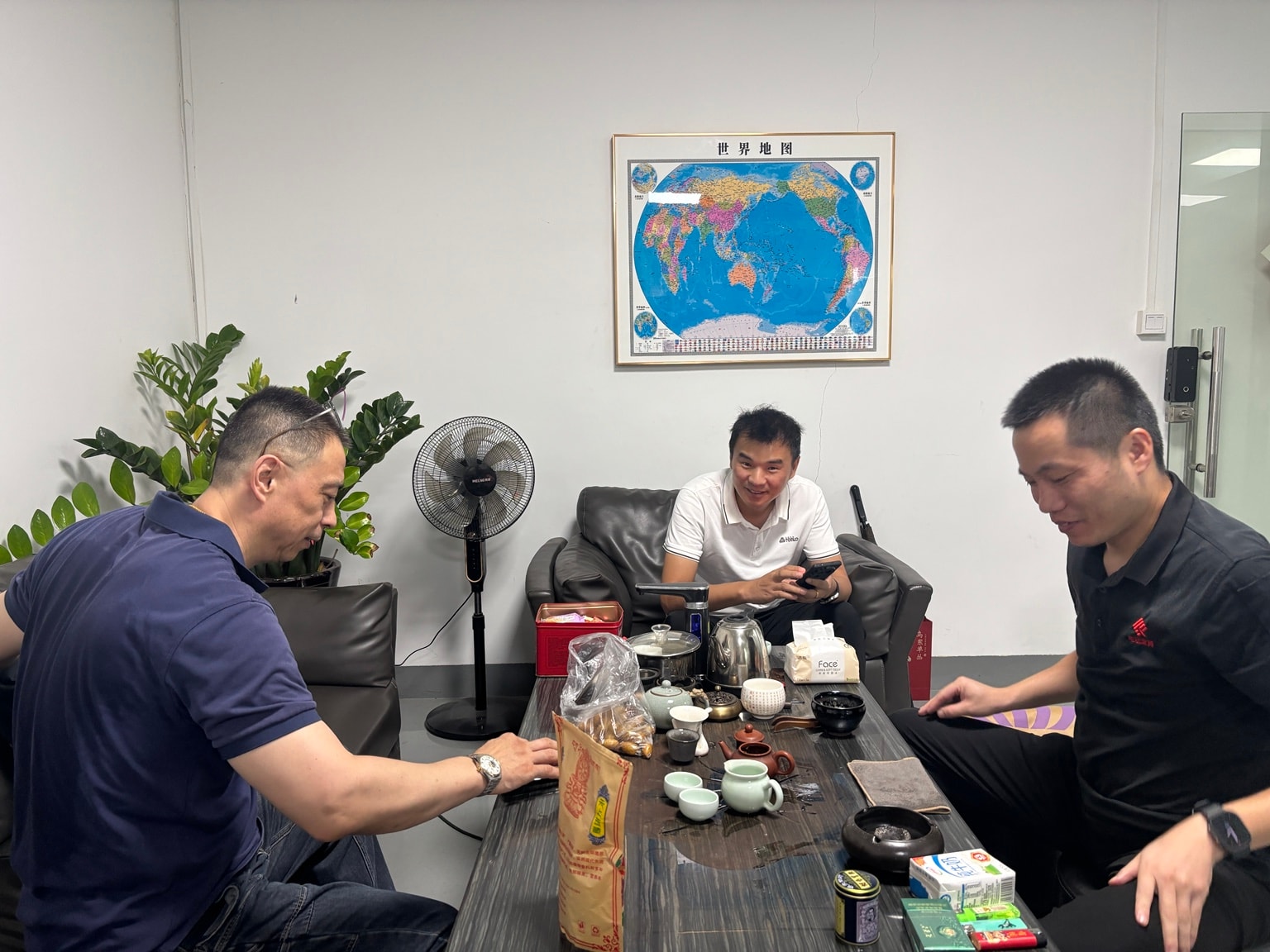
In many factories, the tea table is a familiar place to welcome visitors. It can sit in an office close to the production floor, ready for the factory owner, sales team and guests to talk before or after a formal meeting. Conversation may move from a recent shipment or a quality question to a wider discussion about the people and businesses involved.
That setting should not be mistaken for a purely social cup of tea. In China, important conversations and relationships are often developed around a factory owner’s tea table. Taking the time to participate respectfully can help a British visitor understand how a supplier works, communicate more naturally and show that they value the relationship as well as the quotation.
A quiet sign of respect
When tea is poured, Colin taps the table gently with his index and middle fingers as a quiet gesture of thanks and respect—an important part of traditional Chinese tea etiquette. He has understood and practised customs like this for many years and explains them to British clients travelling with him so they can also make the right impression.
Small gestures are not a performance or a shortcut to winning business. They are a practical sign that a visitor has paid attention to local customs. That care can make a difference when a factory owner is deciding how openly to discuss a problem, a production constraint or a possible solution.
For clients visiting China with Sauce Asia, Colin helps make these moments feel straightforward. He can explain what is happening, why it matters and how to respond naturally, without turning a factory visit into a rigid set of rules. The aim is always the same: help clients arrive prepared, respectful and able to focus on the manufacturing decisions in front of them.
Food, hospitality and long-term relationships
Chinese business hospitality often continues at the dining table. A meal may follow a factory tour, a meeting about a new product or an inspection before goods are shipped. It is a chance to spend time together away from spreadsheets and technical specifications, and it can be an important part of getting to know the people responsible for a project.
Colin’s experience of Chinese food and dining etiquette has been built over decades of regular factory visits, not learned for a single trip. He understands when to listen, when to accept hospitality graciously and when a relaxed conversation may lead to a more useful discussion about a project. This helps visiting clients feel more comfortable, particularly when they are meeting a manufacturer face to face for the first time.
Respecting local hospitality does not mean avoiding direct conversations about quality, lead times or cost. In fact, it can make those conversations more effective. A supplier is more likely to share an early warning about a material delay or tooling issue when there is an established relationship and both sides are communicating in good faith.
Trust supports better manufacturing decisions
Colin’s willingness to embrace Chinese food, tea culture and traditional business hospitality has helped him earn the trust and respect of factory owners throughout China. These relationships are an important part of how Sauce Asia helps its clients communicate effectively, resolve problems and build successful long-term manufacturing partnerships.
Trust does not replace robust supplier checks, clear specifications or quality control. Sauce Asia still carries out the practical work that protects a client’s order: assessing factories, reviewing samples, monitoring production, inspecting goods and managing shipping arrangements. The value of long-standing relationships is that these processes take place with more direct communication and a better understanding of the people involved.
When an unexpected issue arises, it helps to have a sourcing partner who can speak to a factory owner in a way that is clear, respectful and grounded in years of experience. That may mean asking the right questions on a factory floor, discussing a realistic corrective action or helping both sides find a workable answer before a delay becomes more serious.
Visiting suppliers with confidence
A first factory visit can be one of the most valuable steps a UK buyer takes. It brings drawings, samples and product requirements into the real-world environment where the goods will be made. It also gives everyone an opportunity to build a more human and useful working connection.
Chinese tea and dining traditions are part of that experience. Approaching them with genuine interest and respect can help visitors make a positive impression without pretending to be experts in customs they are still getting to know.
For Colin, this is simply part of doing business well in China. Years of meals, tea-table conversations and factory visits have helped him build the relationships that support honest communication and reliable manufacturing outcomes for Sauce Asia clients.


